
 WhatsApp
 News Telegram
 Chat with us
 Discord Server
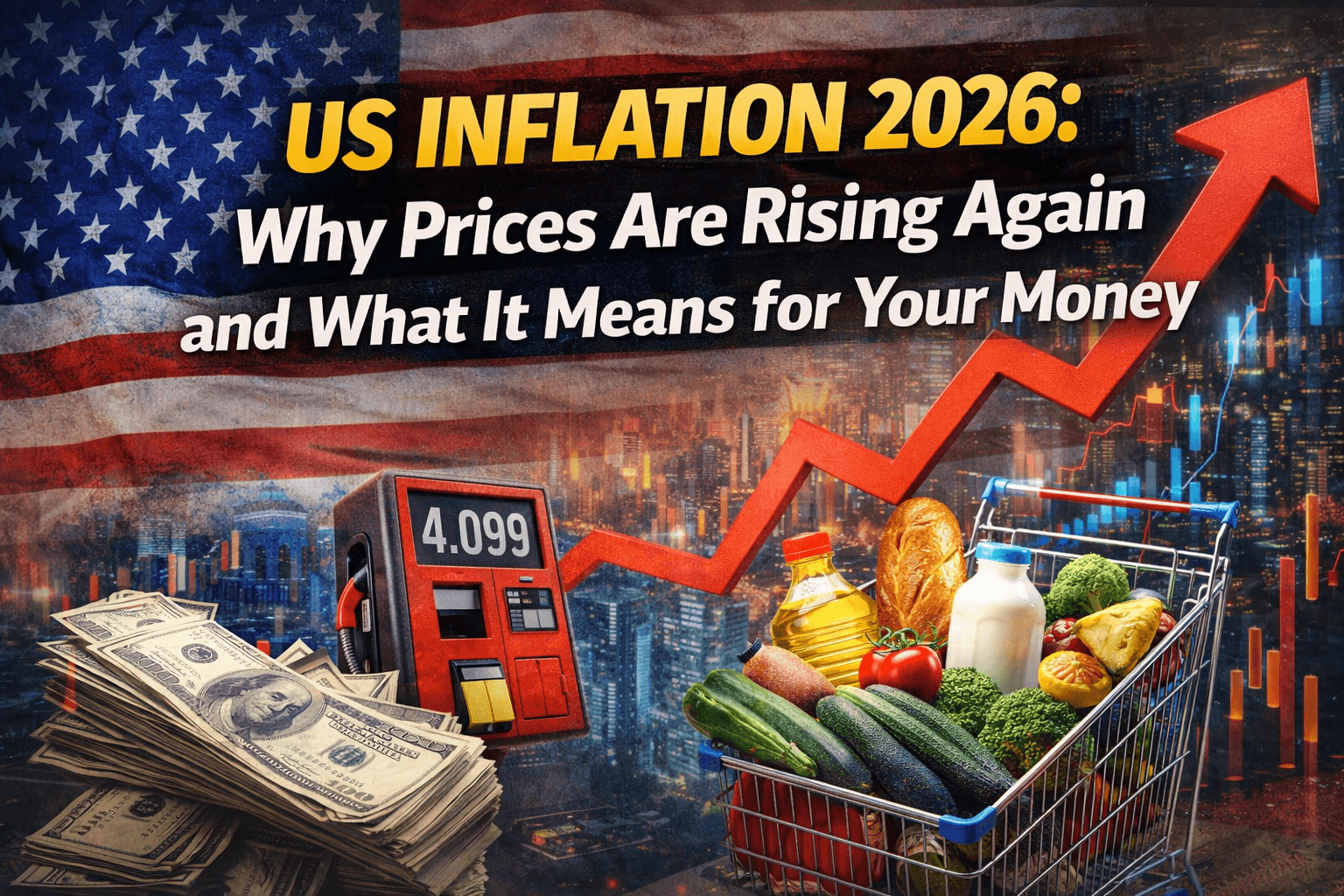
US Inflation 2026: Why Prices Are Rising Again and What It Means for Your Money
The year is 2026. Inflation, a term that seemed to have taken a breather, is once again making headlines. But why are prices on the rise, and more importantly, what does it mean for your hard-earned money? This article dives deep into the economic factors driving US inflation in 2026, offering insights and actionable advice to help you navigate this complex financial landscape.
Understanding the Resurgence of Inflation
Inflation isn't always a constant. It ebbs and flows, influenced by a multitude of economic forces. In 2026, several key factors are likely contributing to the rise in prices:
1. Supply Chain Disruptions: A Recurring Challenge
Despite previous recovery efforts, global supply chains may still be facing challenges. Events like geopolitical instability, natural disasters, or labor shortages can disrupt the flow of goods, leading to increased costs for businesses and, ultimately, consumers.
2. Increased Demand: Consumer Spending Habits
If consumer demand outpaces the supply of goods and services, prices naturally tend to climb. Factors like economic growth, increased consumer confidence, and government stimulus can fuel demand, placing upward pressure on inflation.
3. Rising Energy Costs: The Fuel for Inflation
Energy prices play a significant role in inflation. Increases in the cost of oil, gas, and electricity ripple through the economy, affecting transportation, manufacturing, and virtually every sector. Geopolitical events or shifts in energy policies can significantly impact these costs. Consider these possible reasons for energy rises:
- Increased global demand.
- Limited production capacity.
- Government regulations.
4. Wage Growth: The Balancing Act
While wage growth is generally positive for workers, rapid wage increases without a corresponding boost in productivity can contribute to inflation. Businesses may pass on higher labor costs to consumers through increased prices.
The Impact on Your Finances
Rising inflation can erode the purchasing power of your money. Here's a look at how it might affect your financial well-being in 2026:
- Increased Cost of Living: Expect to pay more for everyday essentials like groceries, housing, and transportation.
- Reduced Savings Value: The real value of your savings may decline as inflation outpaces the returns on your investments.
- Higher Interest Rates: The Federal Reserve may raise interest rates to combat inflation, making borrowing more expensive (e.g., mortgages, credit cards).
Strategies for Protecting Your Wealth
While inflation presents challenges, proactive financial planning can help you mitigate its impact:
1. Investing in Inflation-Hedge Assets
Consider assets that tend to perform well during inflationary periods. Some examples include:
- Real Estate: Property values often rise with inflation.
- Commodities: Gold, silver, and other commodities can act as a store of value.
- Inflation-Protected Securities: TIPS (Treasury Inflation-Protected Securities) offer protection against inflation.
2. Diversifying Your Portfolio
Don't put all your eggs in one basket. A diversified portfolio, including a mix of stocks, bonds, and other assets, can help cushion the blow of inflation.
3. Managing Debt Effectively
Rising interest rates can make debt more expensive. If possible, consider:
- Paying down high-interest debt: Credit card balances, for example.
- Refinancing existing debt: Explore options for securing lower interest rates.
4. Reviewing Your Budget and Expenses
Take a close look at your spending habits and identify areas where you can cut back. Prioritize essential expenses and explore ways to reduce discretionary spending.
Conclusion
Inflation in 2026, if it happens, presents both challenges and opportunities. By understanding the underlying causes, assessing its impact, and adopting proactive financial strategies, you can position yourself to weather the storm and protect your financial future. Stay informed, stay vigilant, and continue to make informed decisions about your money.