

 WhatsApp
 News Telegram
 Chat with us
 Discord Server
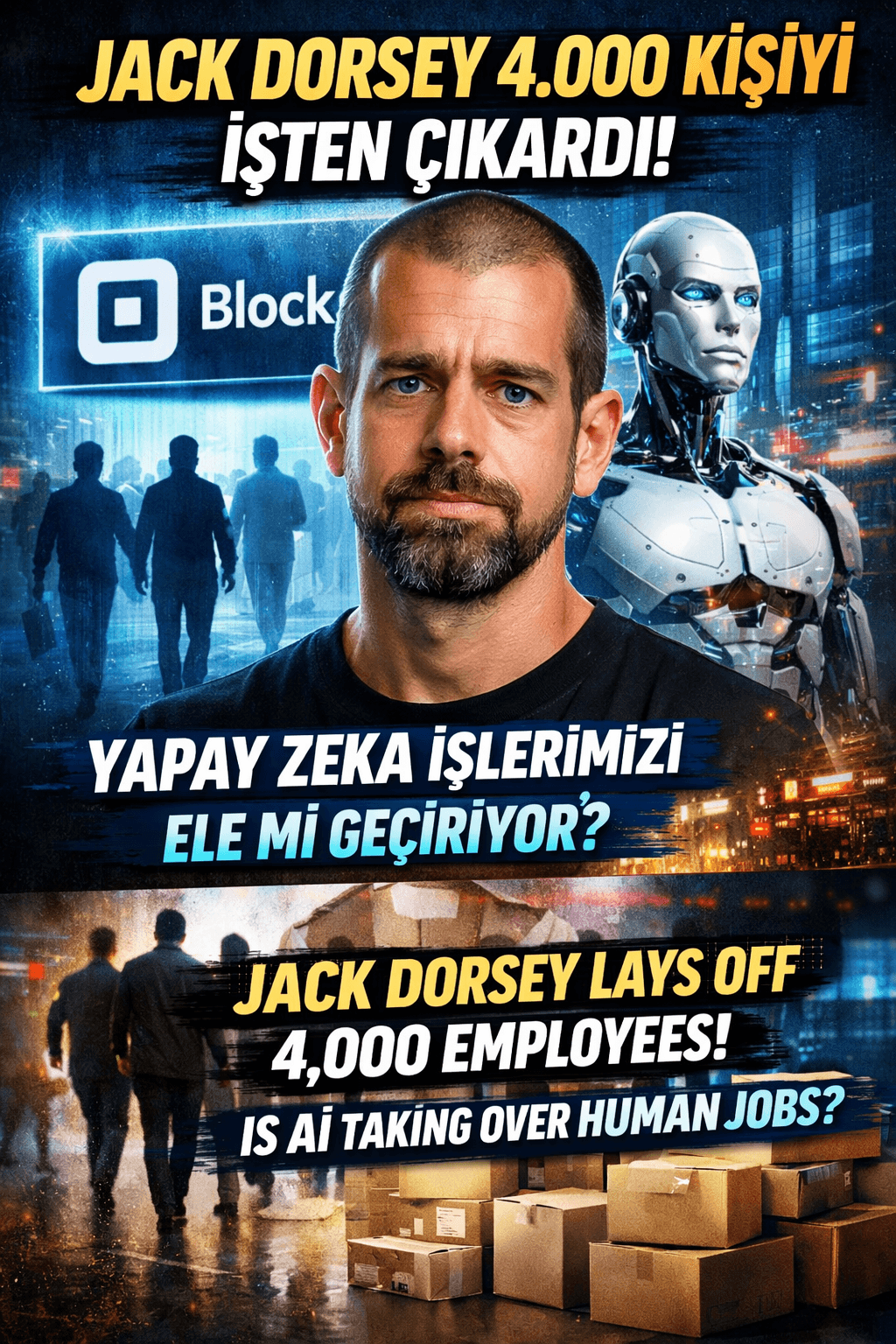
Jack Dorsey Lays Off 4,000 Employees: Is AI Replacing Human Jobs in 2026?
The tech world is abuzz. Reports indicate that former Twitter CEO, Jack Dorsey, recently oversaw a significant wave of layoffs, impacting nearly 4,000 employees. But is this merely a corporate restructuring, or a harbinger of things to come? In 2026, the question on everyone's mind is: Is AI truly poised to replace human jobs?
The Dorsey Layoffs: A Closer Look
While specific reasons haven't been widely publicized, such a drastic reduction in the workforce demands scrutiny. Possible factors include:
- Economic Downturn: A struggling economy often compels companies to cut costs.
- Strategic Shift: Perhaps a pivot in the company's focus led to the elimination of roles deemed no longer necessary.
- Automation Initiatives: The implementation of AI could streamline operations.
Regardless of the reasoning, the 4,000 individuals affected face considerable uncertainty about their professional futures.
The Rise of Artificial Intelligence
Artificial intelligence is no longer a futuristic concept; it's rapidly integrating into nearly every aspect of business. From customer service chatbots to automated data analysis, AI's capabilities continue to expand. This has led to both excitement and anxiety throughout the workforce.
AI's Impact on the Job Market
Some industries are likely to feel the effects of AI more than others. Consider these examples:
- Data Entry: Automated systems can populate databases far more quickly and accurately than humans.
- Customer Service: AI-powered chatbots can handle a large volume of customer inquiries, 24/7.
- Manufacturing: Robots are already replacing humans on assembly lines in many factories.
Will AI Replace Human Jobs by 2026? A Balanced Perspective
Predicting the future with certainty is impossible, but we can analyze existing trends. While AI will inevitably automate certain tasks, the complete replacement of human jobs by 2026 is unlikely. Here's why:
- Creativity & Critical Thinking: AI currently struggles with tasks requiring high levels of creativity, complex problem-solving abilities, and adaptability.
- Human Connection: Many roles demand strong interpersonal skills and emotional intelligence, which are difficult for AI to replicate.
- The Need for Oversight: AI systems still require human oversight to ensure accuracy and ethical application.
Instead of complete replacement, we're more likely to see a transformation in the job market, with a shift in the skills needed to thrive in the workplace.
Preparing for the Future
To navigate the evolving job market successfully, professionals should consider the following:
- Embrace Lifelong Learning: Stay updated on the latest technological advancements and acquire new skills.
- Focus on Soft Skills: Develop your communication, critical thinking, and problem-solving abilities.
- Adaptability: Be prepared to pivot and embrace new challenges.
The actions taken today will shape tomorrow's job landscape. The Dorsey layoffs are a stark reminder of the rapidly changing business environment. Staying informed and proactively preparing is essential.
Conclusion
The impact of Jack Dorsey's layoffs coupled with the rise of AI underscores the dynamic nature of employment. While fear of wholesale job replacement is understandable, the reality is likely to involve a more complex interplay of human ingenuity and technological innovation. The key lies in understanding these forces and adapting with versatility. The future belongs to those who embrace change, lifelong learning, and adaptability.